Snorkeling in Coiba National Park: Best Spots, Season and How to Book
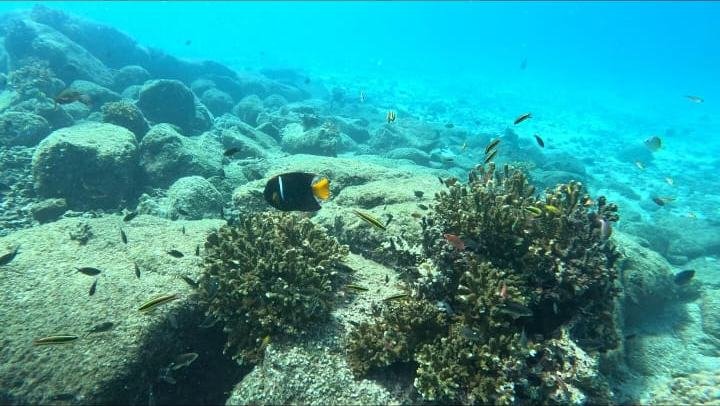
If you snorkel once in Panama, make it Coiba. This UNESCO-listed marine park holds one of the largest coral reefs in the Eastern Pacific, and its remoteness has kept it wonderfully alive.
The best spots
- Isla Coibita (Ranchería) — calm, shallow and full of fish; perfect for beginners.
- Canales de Afuera — deeper reefs where turtles and whitetip reef sharks cruise by.
- Granito de Oro — the tiny reef-ringed islet that made Coiba famous is closed to all visitors so its coral can recover; responsible operators use the park’s other open sites.
What you’ll see
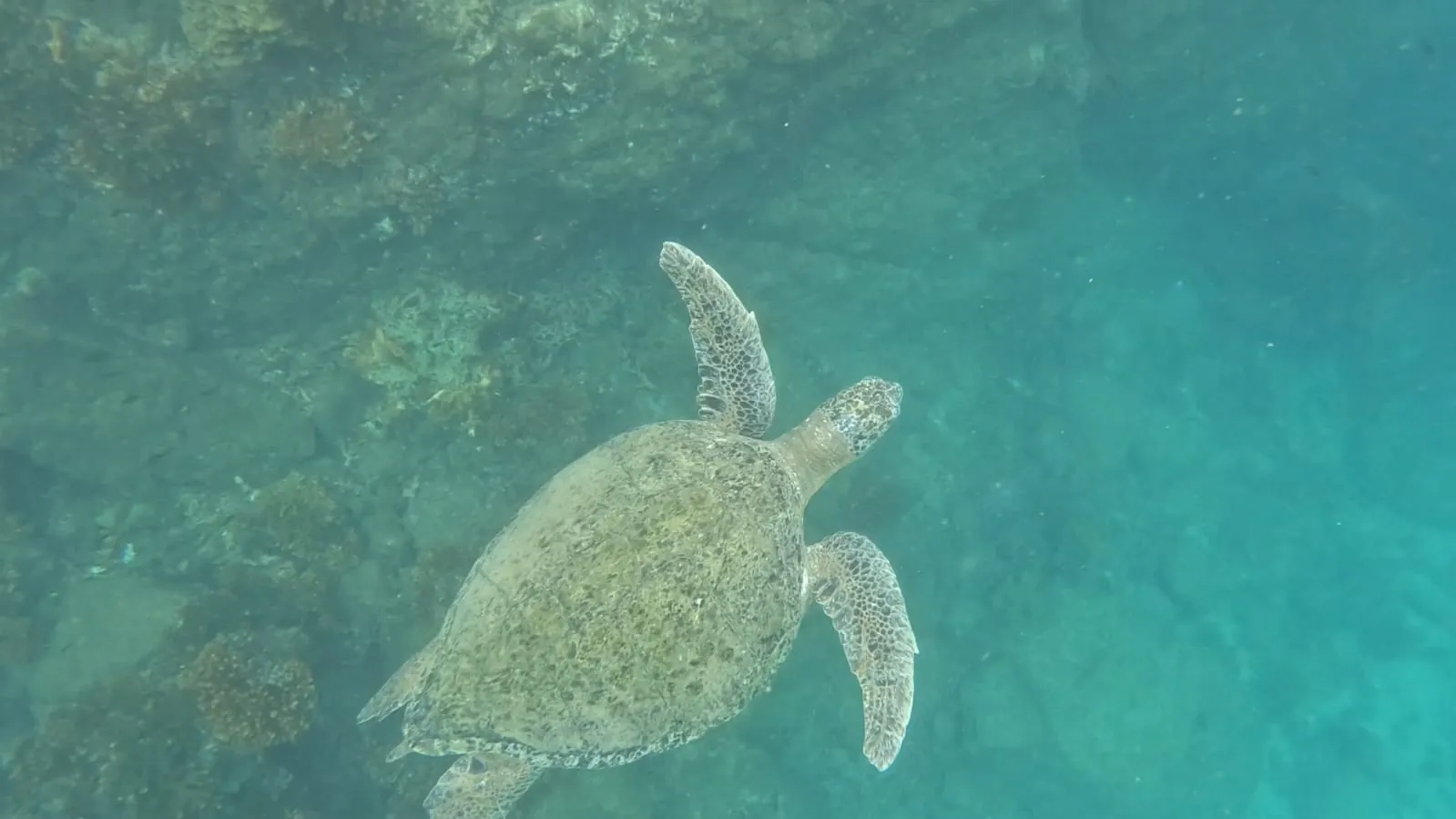
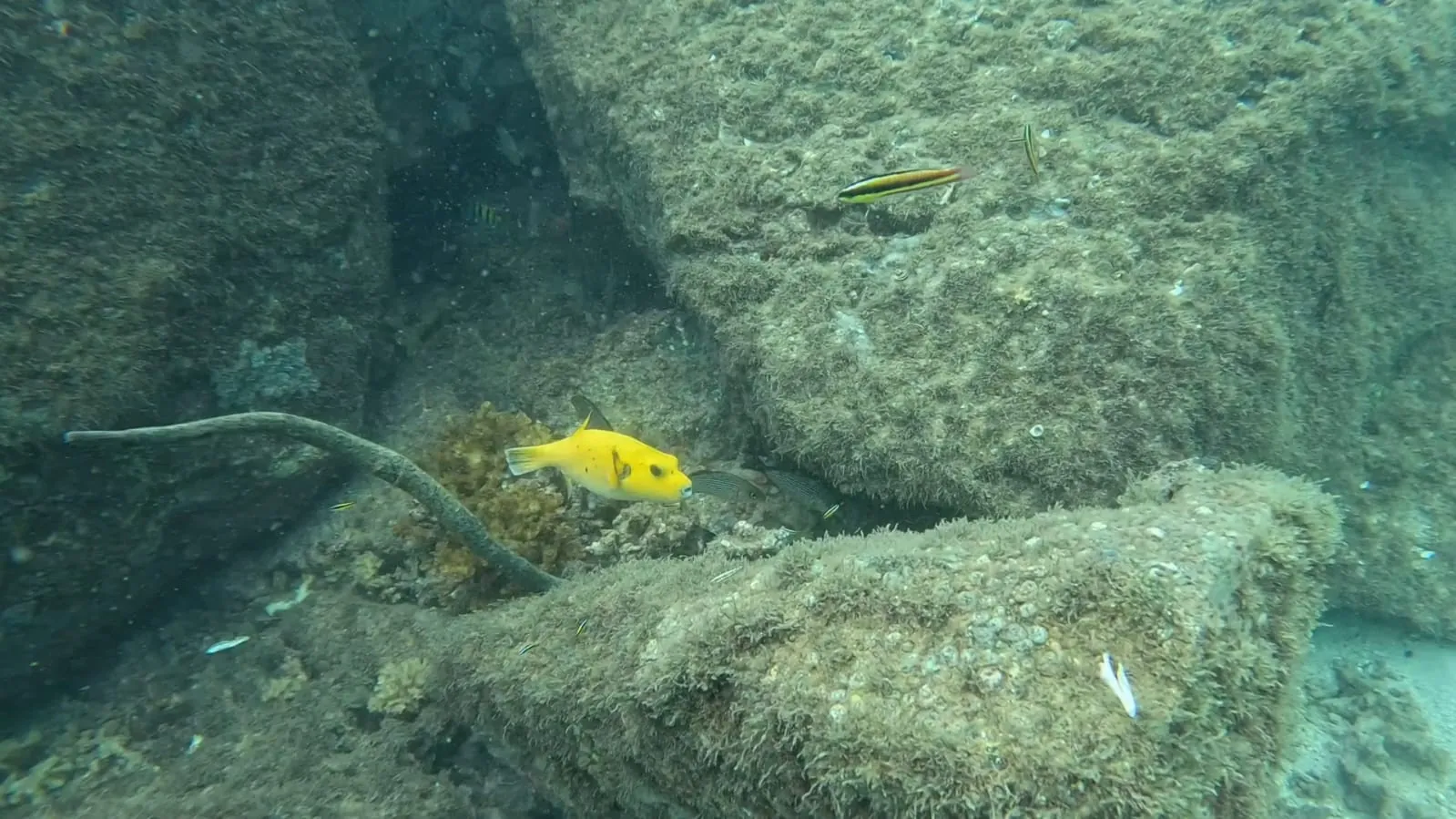
Sea turtles, rays, huge schools of tropical fish, harmless reef sharks — and from July to October, humpback whales often surface on the boat ride out.
When to go
December–April brings the calmest seas and clearest water; the green season trades a little visibility for whales. There is no bad month.
What a Coiba snorkel day looks like
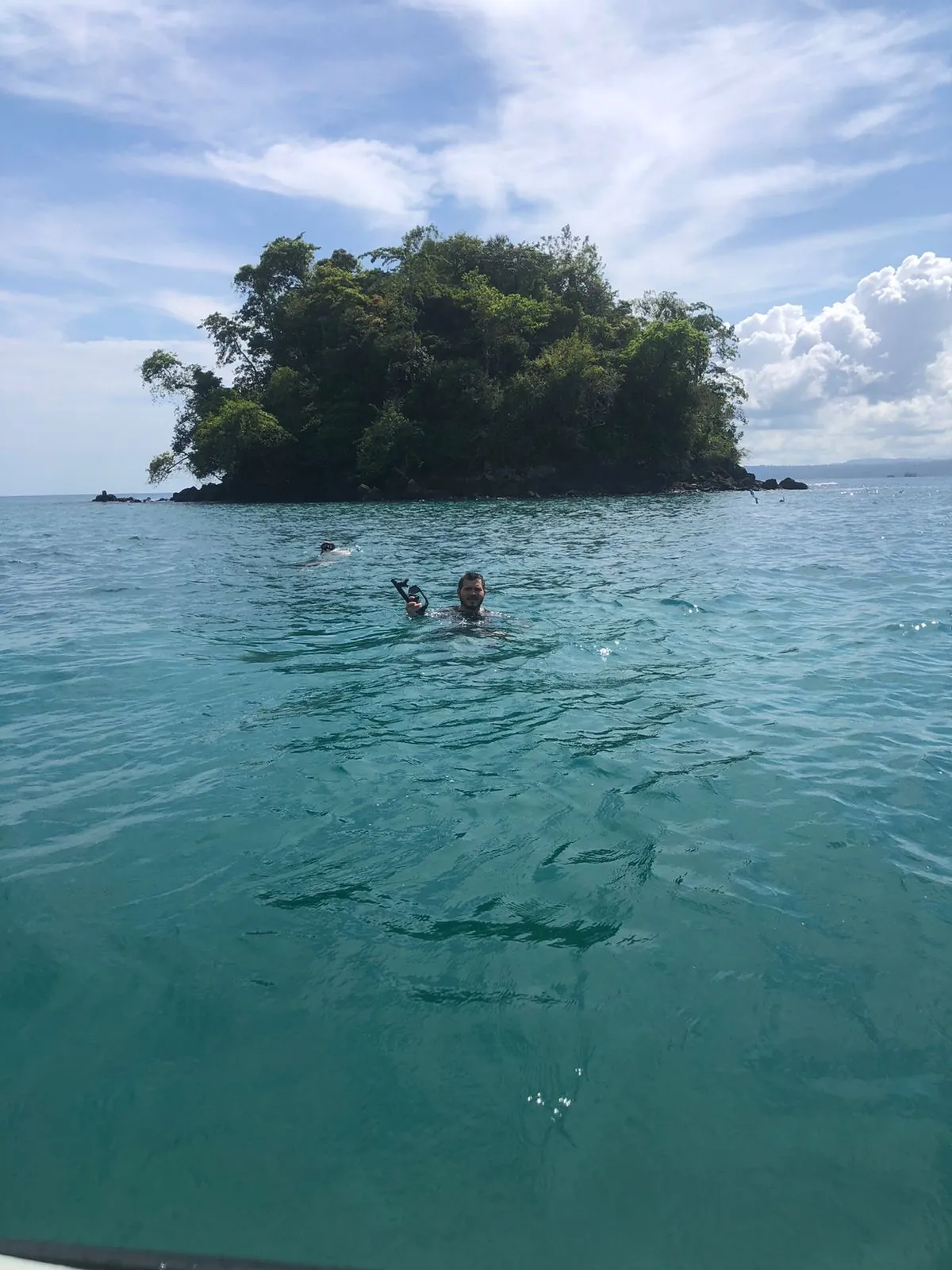
Most full-day trips leave Santa Catalina early in the morning. The crossing to the park takes about an hour, depending on the sea, and dolphins often ride the bow wave. The day usually includes two or three snorkel stops chosen by the guide for visibility and current, a visit to the ranger station on Coiba island, where every visitor is registered, and lunch on a white-sand beach before the ride back in the afternoon. Gear, life jackets and a guide in the water are normally included; the park entrance fee (about $20 for foreign visitors) is paid in cash on the day.
Tips for better snorkeling
- Wear a rash guard and use reef-safe sunscreen: the sun on open water is fierce, and regular sunscreen harms coral.
- Don’t touch or stand on coral, and keep a respectful distance from turtles and sharks.
- If you get seasick, take a tablet before the boat leaves; the morning crossing is usually the calmest.
- Not a strong swimmer? Keep the life jacket on and stay close to the guide. Many spots are shallow and calm.
- Bring a dry bag for your phone and passport, a towel and a change of clothes for the ride home.
Snorkeling or diving?
Snorkelers see a lot at Coiba because the reefs come close to the surface and the water is usually clear. Certified divers can go deeper with the dive shops in Santa Catalina, to sites known for whitetip reef sharks, rays and big schools of fish, and travellers without a certificate can usually try an introductory dive. Either way, book a day ahead in the dry season.
How to book it
Tours depart from Santa Catalina and are run by local tour operators, so you book the tour itself with the operator. The shuttle is our part: we get you to Santa Catalina from Panama City, Boquete, Bocas del Toro or El Valle, timed so you arrive the evening before your boat. See the Coiba page for itineraries, or use the route finder on the home page for instant shuttle prices.
Frequently asked questions
Can I snorkel in Coiba if I’m not a strong swimmer?
Yes. Life jackets are provided, guides stay close and many sites are shallow and calm.
What is the best month to snorkel in Coiba?
December to April usually brings the calmest seas and clearest water. July to October adds humpback whales on the crossing.
Is Granito de Oro open to visitors?
No. The famous islet is closed so its reefs can recover, and responsible operators respect the closure. Tours visit the park’s other open reefs and beaches instead.
How do I get to Santa Catalina for a Coiba tour?
By shuttle from Panama City ($70), Boquete ($45), David ($45), Bocas del Toro ($80) or El Valle de Antón ($55, subject to availability). Arrive the evening before, because boats leave early.