Wildlife in Panama: Where to See Monkeys, Sloths, Sea Turtles and Whales
Panama is the narrow land bridge between two continents and two oceans, and its wildlife shows it: sloths and monkeys inside the capital’s city limits, quetzals in the cloud forest, turtles on the reefs and humpback whales offshore from July to October. You do not need an expedition to see them — most of the best places are a shuttle ride from Panama City, Santa Catalina, Boquete or Bocas del Toro.
The short answer: what to see, where and when
| Wildlife | Best places | When | Stay in |
|---|---|---|---|
| Sloths | Metropolitan Natural Park and Ancón Hill (Panama City); Isla Bastimentos | All year | Panama City, Bocas del Toro |
| Monkeys | Gatún Lake by boat from Gamboa; Coiba National Park; Metropolitan Natural Park | All year | Panama City, Santa Catalina |
| Humpback whales | Around Coiba and the Gulf of Chiriquí; the Pearl Islands | July to October, best in August and September | Santa Catalina |
| Sea turtles on the reef | Coiba National Park | All year | Santa Catalina |
| Nesting sea turtles | Isla de Cañas (olive ridleys) | Mainly June to December | Pedasí |
| Resplendent quetzal | Cloud forest around Volcán Barú | January to May | Boquete |
| Dolphins | Dolphin Bay in Bocas del Toro; the waters around Coiba | All year | Bocas del Toro, Santa Catalina |
| Red poison-dart frogs | Red Frog Beach, Isla Bastimentos | All year | Bocas del Toro |
Where to see sloths in Panama
Panama City is one of the few capitals where you can see a sloth before breakfast. Look for what looks like a clump of dead leaves high in a tree — then watch it move, very slowly.
- Metropolitan Natural Park. 265 hectares of protected forest about 15 minutes from the banking district. Go early in the morning, when it is coolest and the animals are most active: sloths, tamarins and agoutis are regulars, and short trails climb to the Cerro Cedro lookout over the skyline and the Canal.
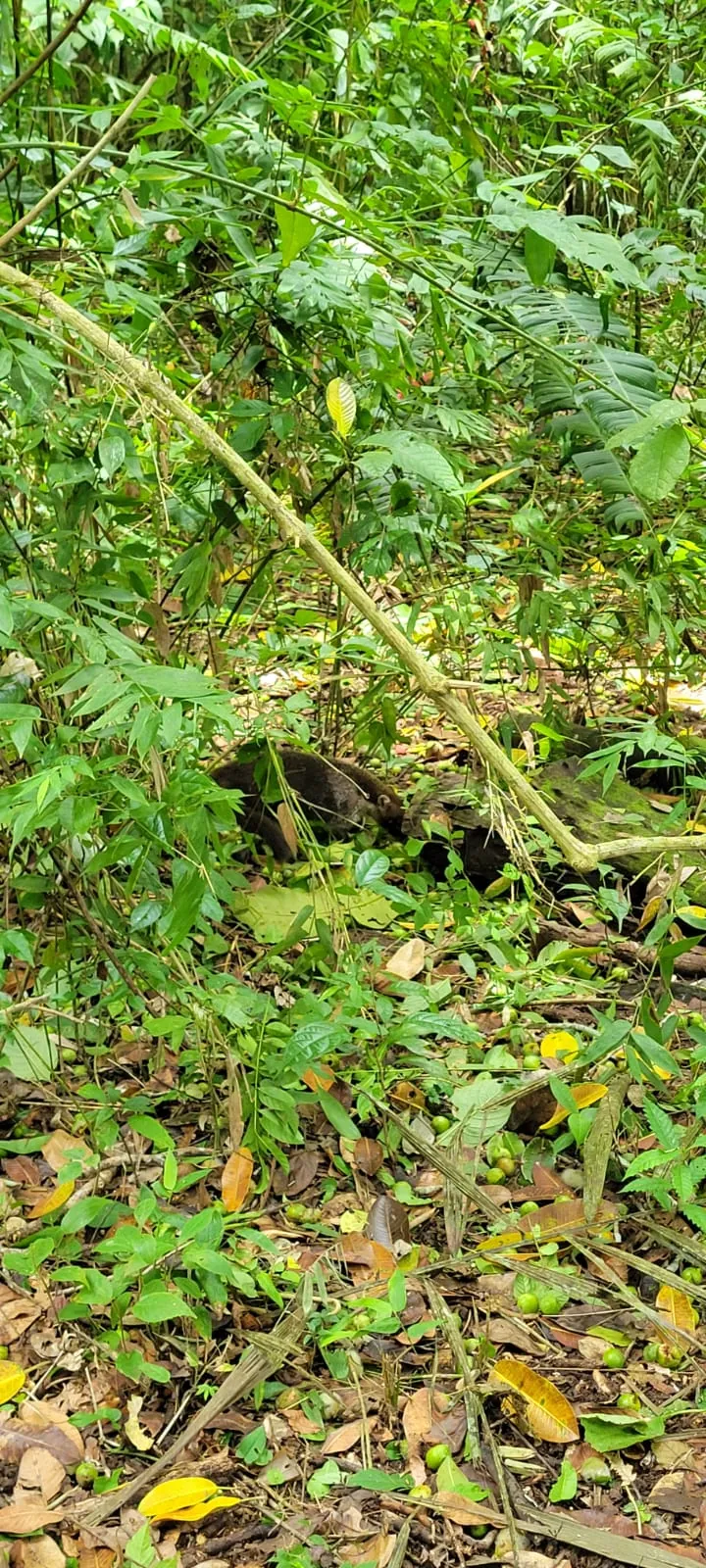
- Ancón Hill. The 199-metre hill above the old Canal Zone, with a big Panamanian flag on top. The walk up the road takes about half an hour; sloths, coatis and Geoffroy’s tamarins live in the trees along the way.
- Isla Bastimentos, Bocas del Toro. Around Red Frog Beach the forest comes right down to the sand, and sloths and monkeys are often in the trees behind it.
Where to see monkeys in Panama
- Gatún Lake, from Gamboa. Boat trips leave Gamboa, pass the ships crossing the Canal and slip into quiet bays to look for capuchins, howler monkeys, tamarins, sloths and caimans — it is on our list of guided day tours.
- Coiba National Park. The islands have their own wildlife, including the Coiba howler monkey, a subspecies found nowhere else. On Jicarón, one of the park’s islands, researchers found white-faced capuchins cracking hermit crabs, snails and nuts with stones — the first report of habitual stone-tool use by these monkeys (Smithsonian, 2018).
- Metropolitan Natural Park and Ancón Hill. Small Geoffroy’s tamarins are the easiest monkeys to spot inside the city.
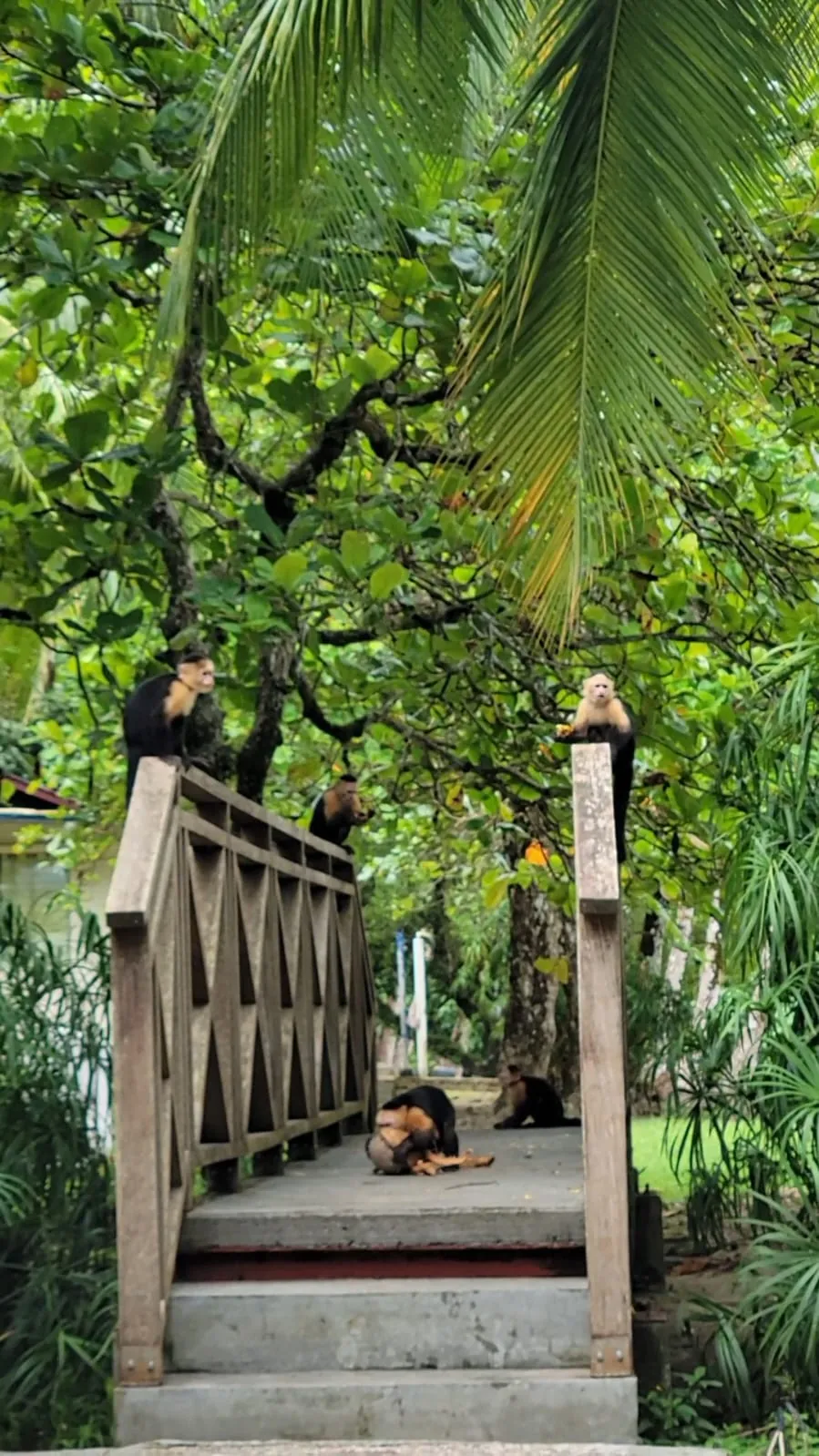
However friendly they look, never feed monkeys. It makes them bold around people, and a capuchin that expects food can bite.
Whale watching: July to October
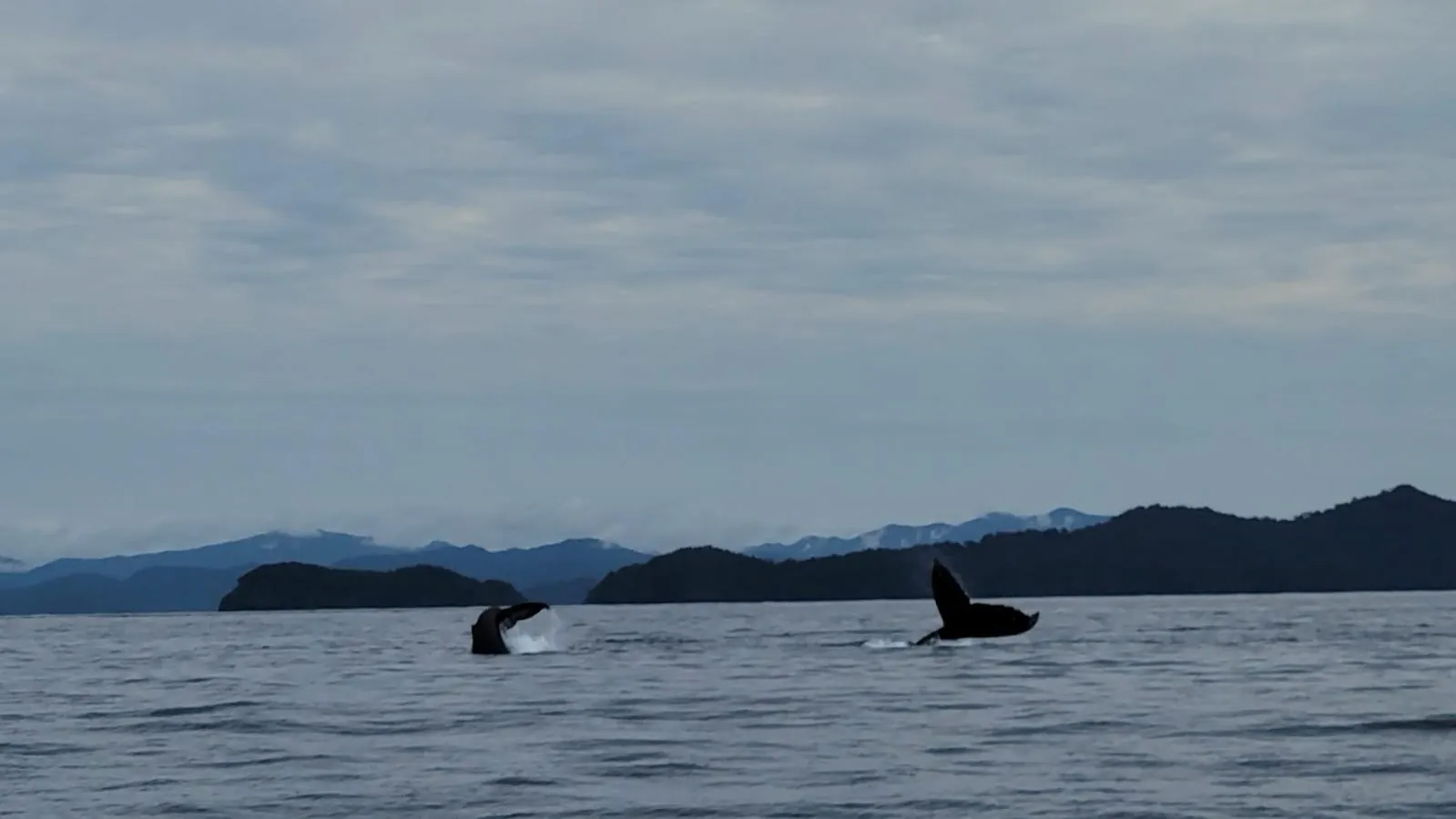
Every year humpback whales travel to Panama’s warm Pacific waters to breed and give birth. The season runs roughly from July to October, with the most sightings in August and September. The protected waters around Coiba and the Gulf of Chiriquí are prime territory, and boats leave from Santa Catalina; closer to the capital, whales also pass the Pearl Islands. Sightings are never guaranteed, but in season the odds are good. Our whale-watching guide has the details.
Sea turtles: on the reef and on the nesting beach
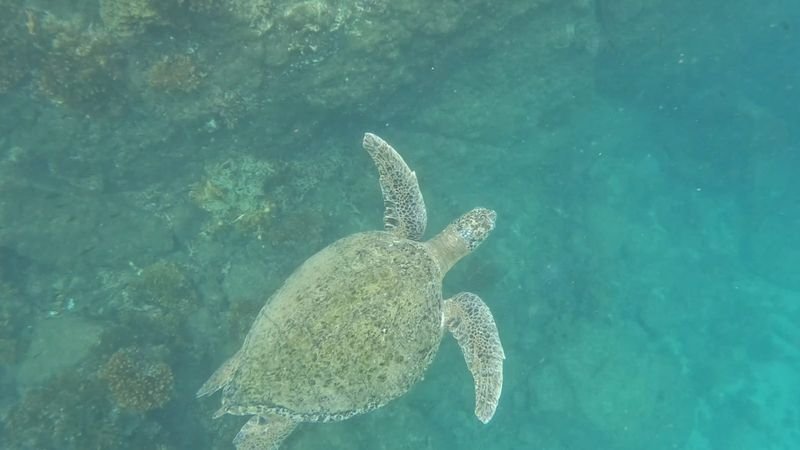
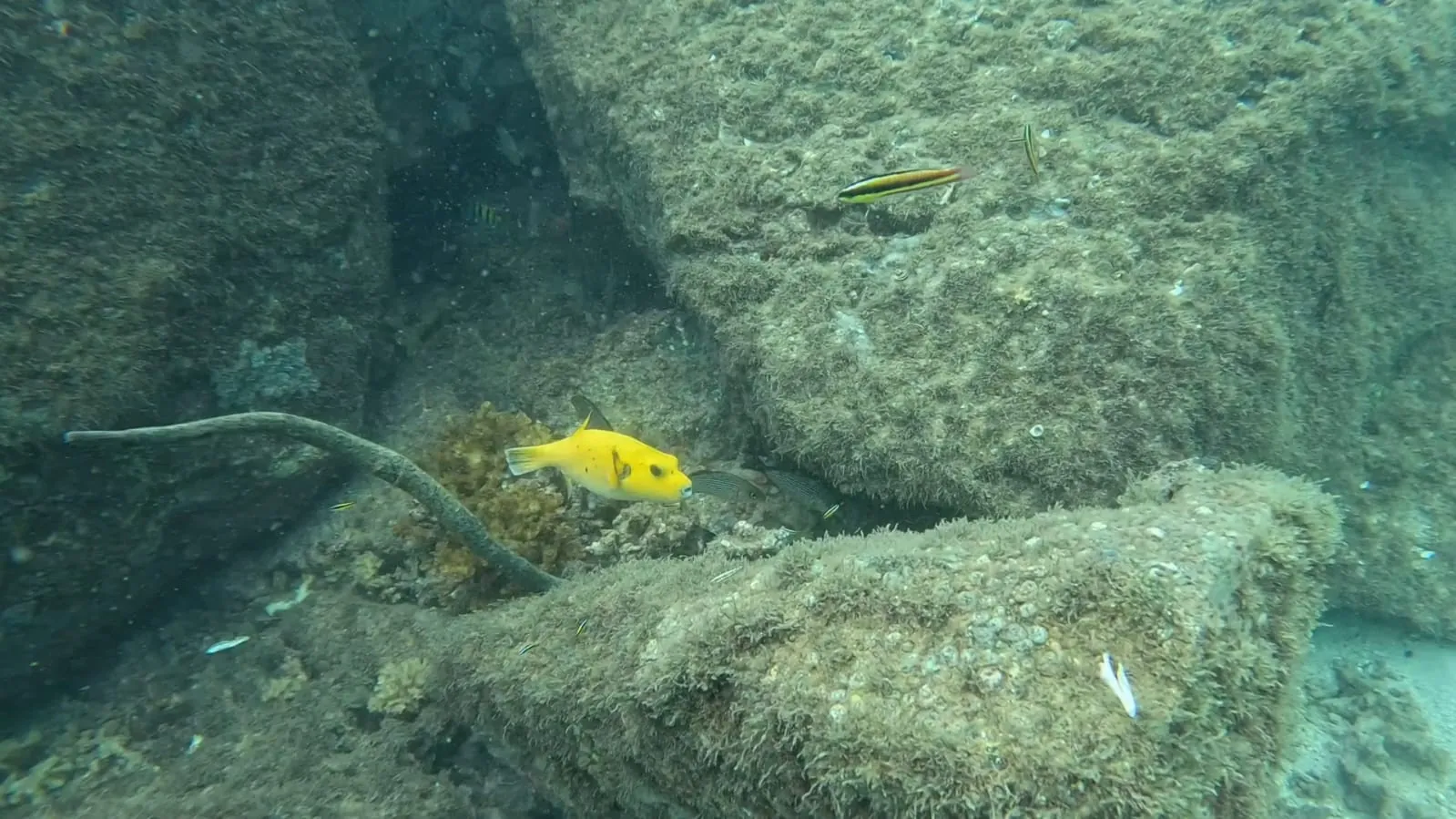
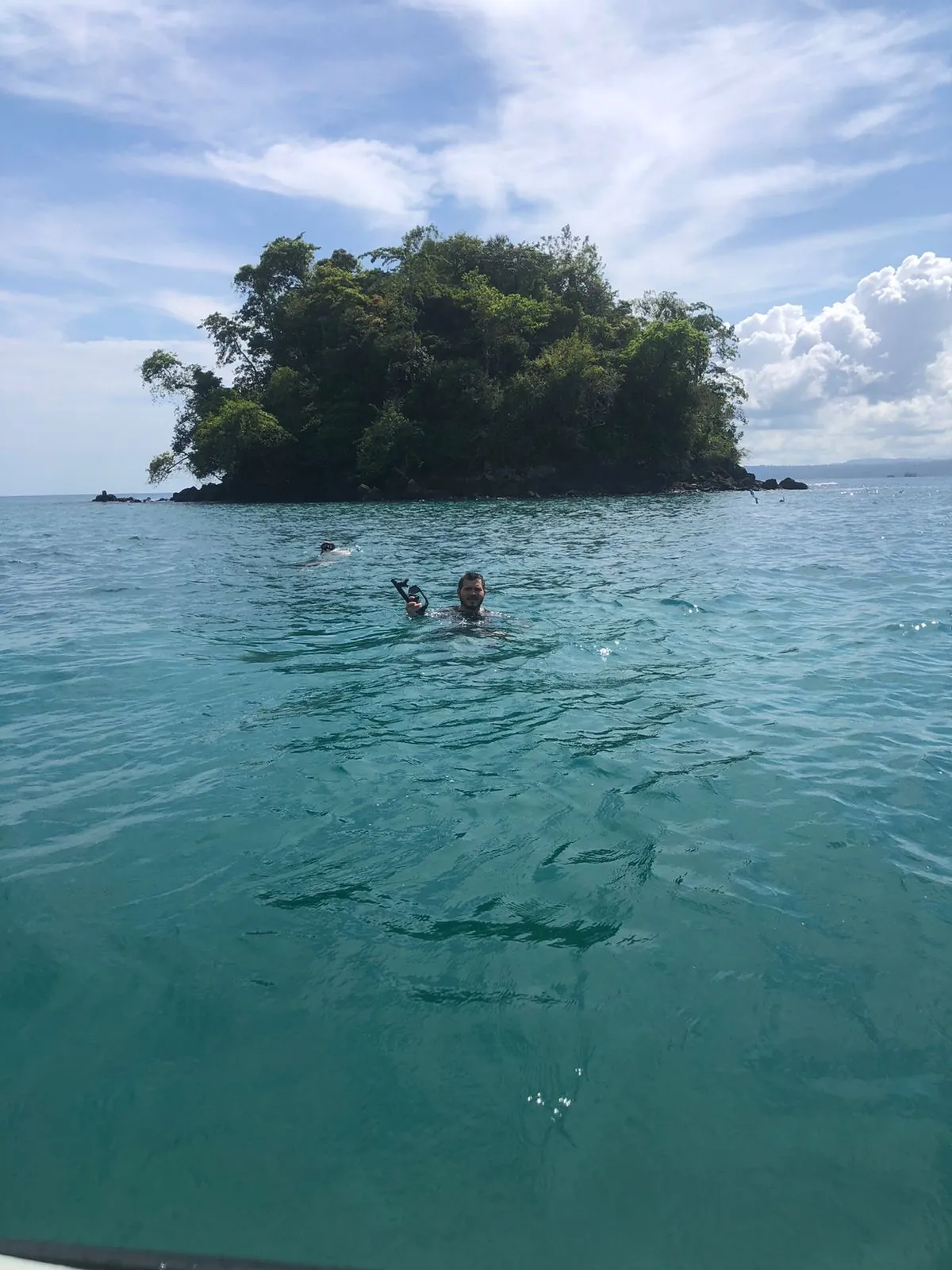
In the water. Snorkeling in Coiba National Park is the easiest way to swim with sea turtles. The UNESCO-listed park covers Coiba Island, 38 smaller islands and the sea around them, and its reefs also hold rays, whitetip reef sharks and huge schools of fish; whale sharks are seen now and then. Tours leave from Santa Catalina and are run by local tour operators — see our snorkeling guide.
On the beach. On Isla de Cañas, off the south coast of the Azuero Peninsula, olive ridley turtles come ashore to nest, mainly between June and December. You reach the island by a ten-minute boat ride through the mangroves from Puerto Cañas. Go at night with a local guide, wear dark clothes, and never use a flash or a white light near a nesting turtle.
Birds: quetzals, hummingbirds and Pipeline Road
- Resplendent quetzal, Boquete. The cloud forest around Volcán Barú is the best place in Panama to see the quetzal, with its long emerald tail. Your chances are best from January to May. Walk the Sendero Los Quetzales, which reopened in 2025, or the quieter Pipeline Trail near Boquete — or join a guided walk.
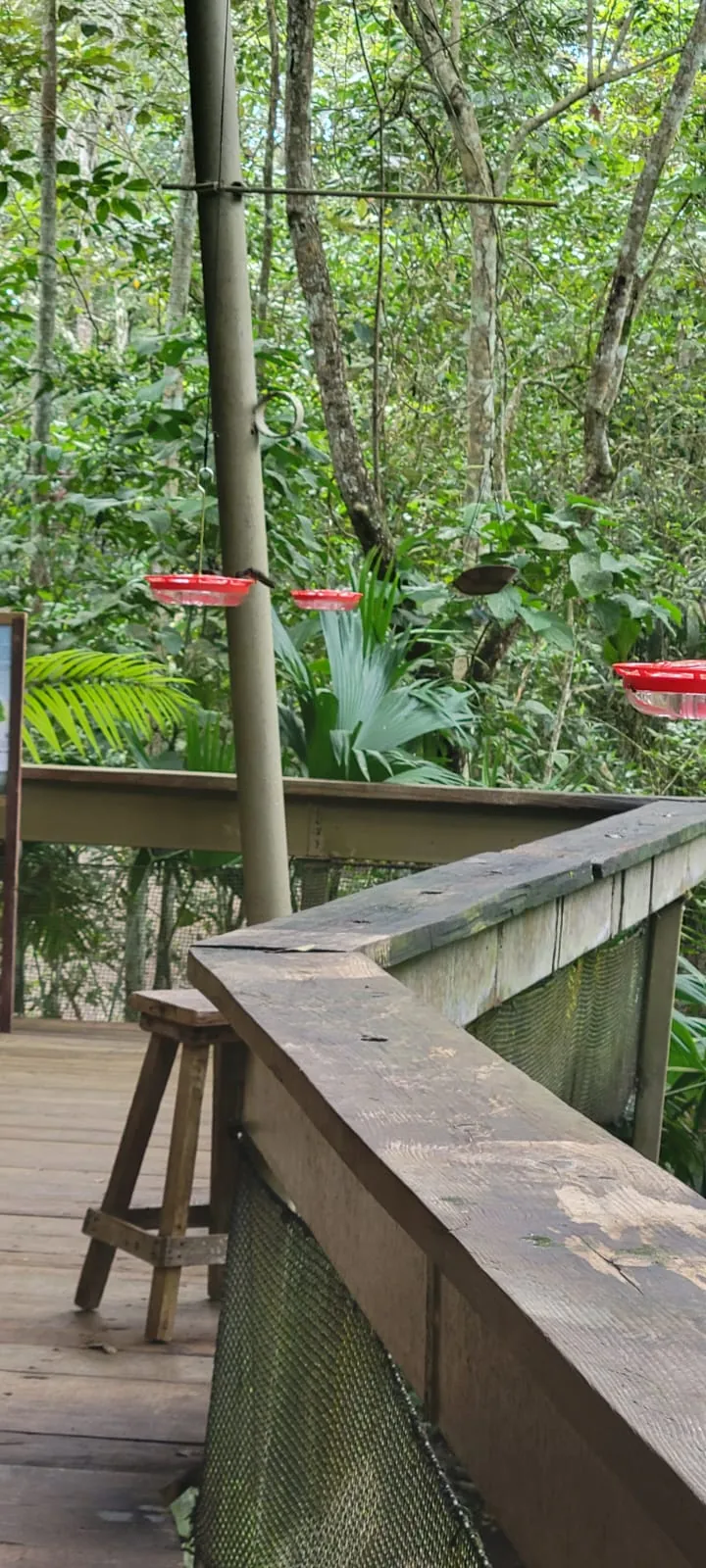
- Hummingbirds. Feeders at lodges and gardens in the highlands draw a constant buzz of hummingbirds — the easiest wildlife photo you will ever take.
- Pipeline Road, Soberanía National Park. An old road into the rainforest near Gamboa, under an hour from Panama City and one of the best-known birding trails in the Americas. Go at first light.
Dolphins and red frogs in Bocas del Toro
In Bocas del Toro, the classic day on the water combines Dolphin Bay, where bottlenose dolphins live year-round, with snorkeling at Cayo Coral and a stop on Isla Bastimentos (Bocas island hopping). On Bastimentos, Red Frog Beach is named after the tiny strawberry poison-dart frogs that live in the forest behind it. Look, but do not touch them — and swim with care, because the beach has strong rip currents.
A wildlife route across Panama by shuttle
All of this fits into ten to twelve days without a rental car:
- Panama City.Metropolitan Natural Park at dawn, Ancón Hill, and a boat day on Gatún Lake from Gamboa.
- Santa Catalina.Panama City → Santa Catalina ($70). One full day in Coiba National Park for turtles, reef fish and, from July to October, whales.
- Boquete.Santa Catalina → Boquete ($45). Quetzal trails, hummingbirds and cool mountain air.
- Bocas del Toro.Boquete → Bocas del Toro ($45, water taxi included). Dolphins, red frogs and sloths on Isla Bastimentos.
Watch wildlife the right way
- Keep your distance and let animals move on their own — no chasing, no touching, no selfies with wild animals.
- Never feed monkeys, coatis or fish.
- Use reef-safe sunscreen and never stand on coral.
- Near nesting turtles: no flash, no white light, stay behind them and follow your guide.
- Book tours with licensed local operators and guides.
Frequently asked questions
Where is the best place to see sloths in Panama?
In Panama City, Metropolitan Natural Park and Ancón Hill both have sloths, and both are best early in the morning. In Bocas del Toro, look in the trees around Red Frog Beach on Isla Bastimentos.
When is whale season in Panama?
Humpback whales visit Panama’s Pacific coast from about July to October, with the most sightings in August and September. Boats leave from Santa Catalina for the waters around Coiba.
Can you see monkeys near Panama City?
Yes. Boat trips on Gatún Lake from Gamboa look for capuchins, howler monkeys and tamarins, and Geoffroy’s tamarins live in Metropolitan Natural Park and on Ancón Hill, inside the city.
When do sea turtles nest in Panama?
On Isla de Cañas, off the Azuero Peninsula, olive ridley turtles nest mainly between June and December. Visit at night with a local guide and never use a flash or a white light.
Where can I see a resplendent quetzal in Panama?
In the cloud forest around Volcán Barú, near Boquete, mainly from January to May. The Sendero Los Quetzales and the Pipeline Trail are the classic places to look.
Want to plan a wildlife route? Message us on WhatsApp with your dates and the places you want to see, and we will put the shuttles together. Tours are booked with the local operators who run them.