Boquete Travel Guide: Coffee Farms, Cloud Forests and Cool Mountain Air
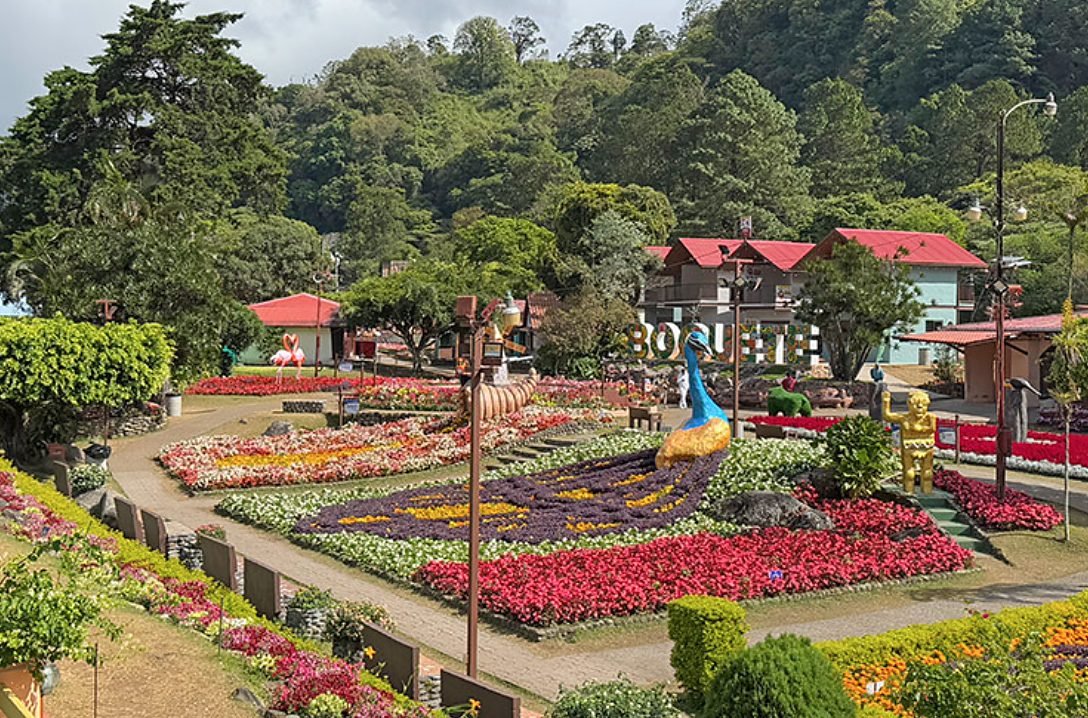
At 1,200 meters in the shadow of Volcán Barú, Boquete is where Panamanians go to cool off — and where travelers fall in love with a different side of the country: misty forests, flower farms and some of the world’s most awarded coffee.
Top things to do
- Coffee farm tour — taste the famous Geisha variety where it grows.
- Lost Waterfalls trail — three falls in lush cloud forest.
- Hanging bridges & hot springs — easy half-day outings.
- Volcán Barú summit — on a clear dawn you can see both oceans.
When to visit
December–April is dry and sunny; the green season brings afternoon showers and intensely green hills. Evenings are cool year-round — pack a layer.
Hiking near Boquete
- Volcán Barú: Panama’s highest point, at about 3,475 metres. From the Boquete side the trail is roughly 14 km each way, and most hikers start around midnight to reach the summit for sunrise, when both oceans can appear on a clear morning. It is cold at the top, so bring warm layers, a headlamp and plenty of water. Our Panama hiking guide has the details.
- Lost Waterfalls: a muddy, beautiful forest trail to three waterfalls. Allow two to four hours and wear shoes with good grip.
- Pipeline Trail: an easier cloud-forest walk along an old water pipe, known for giant trees and birdlife, and one of the places near town where birders look for the resplendent quetzal.
- Sendero Los Quetzales: a cloud-forest trail through Volcán Barú National Park towards Cerro Punta, on the other side of the volcano. Check locally that it is open before you set off.
Coffee in Boquete
The slopes of Barú grow some of the world’s most celebrated coffee. In the 2000s Boquete’s farms put Panama on the map with Geisha, a floral, tea-like variety that still sets records at auction. Most farms offer tours of two to three hours: you walk the plantation, see how the cherries are processed and dried, and finish with a tasting. The harvest runs roughly from November to March, the best time to see picking in action.
Hot springs, gardens and slow days
The Caldera hot springs, simple natural pools beside a river, are under an hour’s drive down the valley. Closer to town there are hanging-bridge and zipline parks in the forest, colourful private gardens open to visitors, and every January the Feria de las Flores y del Café, Boquete’s big flower and coffee fair.
How long to stay and where
Three nights is the sweet spot: one day for a coffee tour and the town, one for a big hike, and one spare for the hot springs or a rainy afternoon. Bajo Boquete, the centre around Central Park, is walkable and full of restaurants, and it is where our shuttles meet. Lodges further up the valley are quieter and cooler, but you will need taxis.
Good to know: from December to February a fine, misty drizzle called bajareque often drifts down the valley in the afternoons and paints rainbows over town. Bring a light rain jacket and a warm layer in any season.
Connecting Boquete
Boquete links perfectly with the rest of the trail: Santa Catalina ($45) for surf and Coiba, Bocas del Toro ($45) for the Caribbean, and David ($25) for flights. Direct shuttles mean no bus terminals with your luggage. Heading to the coast? Add a Coiba snorkeling tour to complete the mountains-to-ocean experience.
Frequently asked questions
How many days do you need in Boquete?
Two full days covers a coffee tour and one good hike. Three lets you add Volcán Barú or the hot springs without rushing.
How do I get from Boquete to Bocas del Toro?
Our shared shuttle leaves Central Park at 7:00 AM and 1:00 PM, takes about 3.5–4.5 hours and includes the water taxi to Bocas town. It costs $45 per person. See the route.
Is Boquete cold?
Cool rather than cold. Days are usually mild and nights can drop to around 15 °C, much colder on Volcán Barú before dawn. Pack a sweater.
When is the best time to visit Boquete?
December to April is dry and sunny, with the clearest views from Barú, and January brings the flower and coffee fair. The green season (May to November) is lush and quieter, with afternoon rain.