History Lover’s Panama: Panamá Viejo, Casco Antiguo and Portobelo
Before Panama was skyscrapers and surf towns, it was the crossroads of empires — and the ruins are still standing. If you have a day or two in the capital before your shuttle to the coast, this is the history circuit worth doing.
Panamá Viejo
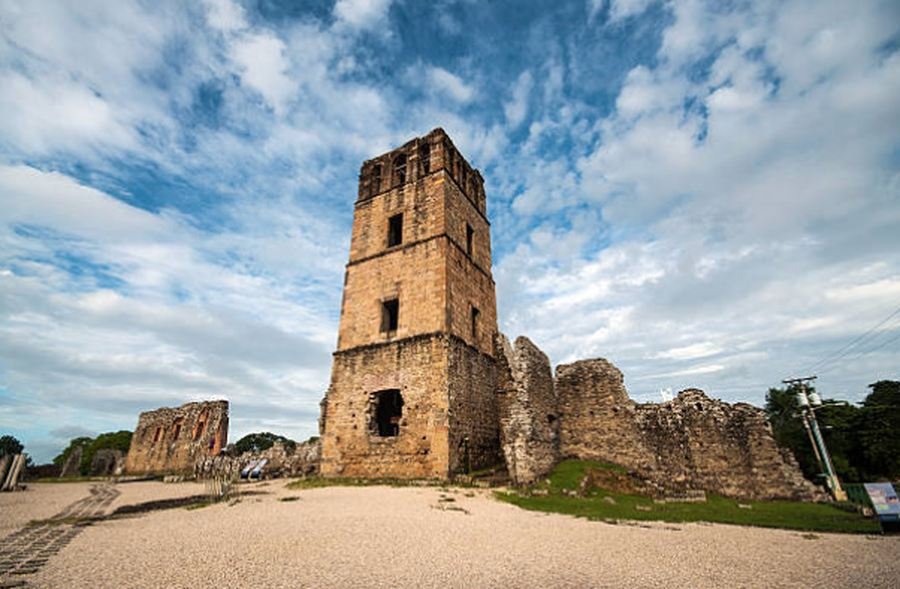
The original Panama City, founded in 1519 and sacked by the pirate Henry Morgan in 1671. Today its stone tower and cathedral ruins — a UNESCO World Heritage Site — rise right beside the modern skyline. Go early for soft light and few crowds.
Casco Antiguo
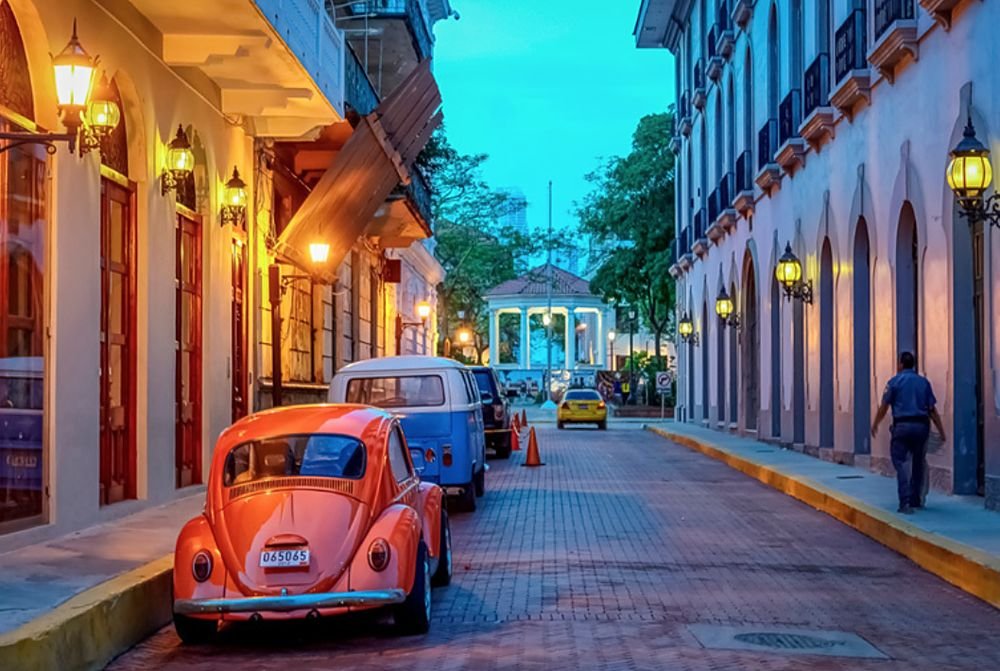
The “new” old town rebuilt after Morgan’s raid: plazas, churches, rooftop cafes and the best-preserved colonial streets in the country. Perfect for an evening stroll and dinner.
Portobelo
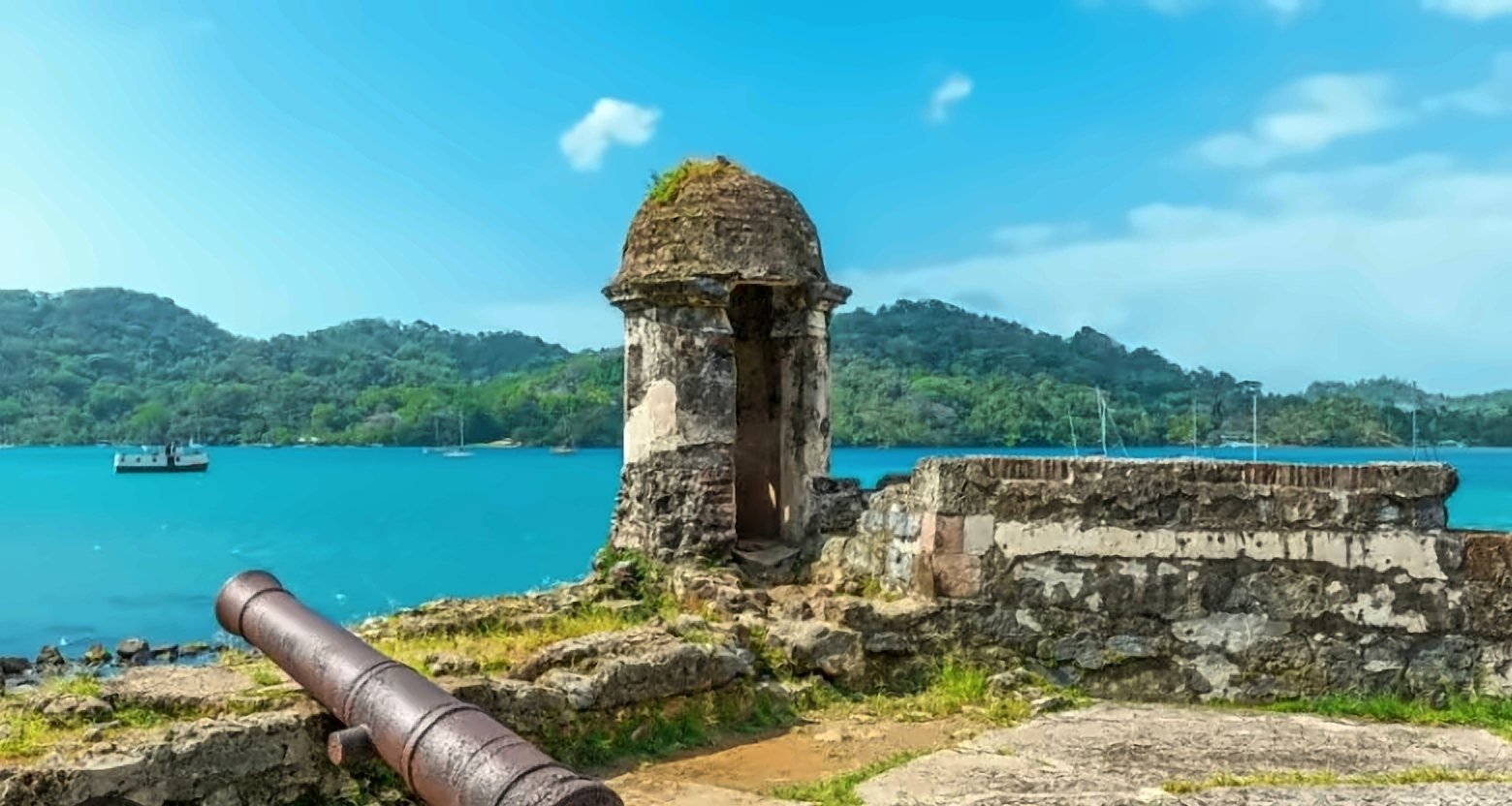
On the Caribbean coast about 1.5 hours away, Portobelo’s stone fortresses once guarded the Spanish treasure fleets — cannons still point at the bay. It pairs beautifully with a beach stop on the same coast.
A one-day history circuit in Panama City
- Morning, Panamá Viejo: start at the visitor centre and museum, then walk the ruins and climb the cathedral tower for the view along the coast. Allow two to three hours.
- Midday, Miraflores Locks: watch ships rise and fall in the Panama Canal from the visitor centre’s terraces. Ship traffic varies through the day, so check transit times before you go.
- Afternoon and evening, Casco Antiguo: Plaza de la Independencia and the Metropolitan Cathedral, the golden altar of the San José church, the Canal Museum, the old sea walls of Las Bóvedas and Plaza de Francia, then dinner on a rooftop.
Portobelo and the Caribbean forts
Portobelo was one of the great ports of the Spanish Empire. From the late 1500s, treasure from the Pacific was carried across the isthmus and loaded here onto the fleets bound for Spain, and the town’s trade fairs drew merchants from across the Americas. Its forts around the bay were attacked by pirates and privateers, Henry Morgan among them in 1668. Together with Fort San Lorenzo at the mouth of the Chagres River, they are a UNESCO World Heritage Site.
Look out for the Black Christ (Cristo Negro) in the church of San Felipe, honoured every 21 October with a huge pilgrimage, and for Congo culture: the dances, drums and painted masks of the Afro-Panamanian communities on this coast, recognised by UNESCO as intangible heritage. A day trip easily combines the forts with a swim or a short boat ride to one of the small beaches nearby.
More history worth the detour
- Fort San Lorenzo: on a cliff above the mouth of the Chagres River near Colón, reached through the forests of the old Canal Zone, with sweeping views over the Caribbean.
- Taboga Island: a short ferry ride from the Amador Causeway, with a quiet colonial village, one of the oldest churches in the Americas and a beach day thrown in.
- Natá de los Caballeros: founded in 1522 in Coclé province, with one of the oldest churches still in use on the American mainland. It is a good stop on the way west to El Valle or Santa Catalina.
Then head for nature
Most travelers do history first, then nature: our shuttles connect Panama City with El Valle, Boquete and Santa Catalina — gateway to Coiba National Park snorkeling tours. One WhatsApp message plans the whole route.
Frequently asked questions
Can you visit Panamá Viejo and Casco Antiguo on the same day?
Yes. They are about 20 minutes apart by taxi. Do Panamá Viejo in the morning when it is cooler, and Casco Antiguo in the late afternoon and evening.
How far is Portobelo from Panama City?
About 100 km, roughly one and a half to two hours by road depending on traffic. Most visitors go as a day trip with a driver or a guided tour.
Is Panamá Viejo a UNESCO World Heritage Site?
Yes. The archaeological site of Panamá Viejo and the historic district of Casco Antiguo are listed together as one UNESCO World Heritage Site.