Sea Turtles in Panama: Where and When to See Nesting, Hatchlings and Turtles Underwater
Panama sits between two oceans, which makes it one of the best countries in the Americas for sea turtles. Several species visit its beaches and reefs, from the small olive ridley to the giant leatherback. Here is where to go and when.
Isla Cañas: the olive ridley arribadas
Isla Cañas is a 13-kilometer barrier island on the south coast of the Azuero Peninsula, protected as a wildlife refuge. It is one of the few places in the world where olive ridley turtles nest in mass arrivals, called arribadas, when thousands of females come ashore in a few nights. Nesting runs from about June to December, with the biggest arrivals usually between September and November. The island is reached by a short boat ride through the mangroves from Puerto Cañas.
Bocas del Toro: Caribbean nesting beaches
On the Caribbean side, Bluff Beach on Isla Colón and the beaches of Isla Bastimentos National Marine Park are important nesting grounds, and conservation work focuses on hawksbill turtles. Ask in Bocas Town about responsible night walks with local guides.
Coiba National Park: turtles underwater
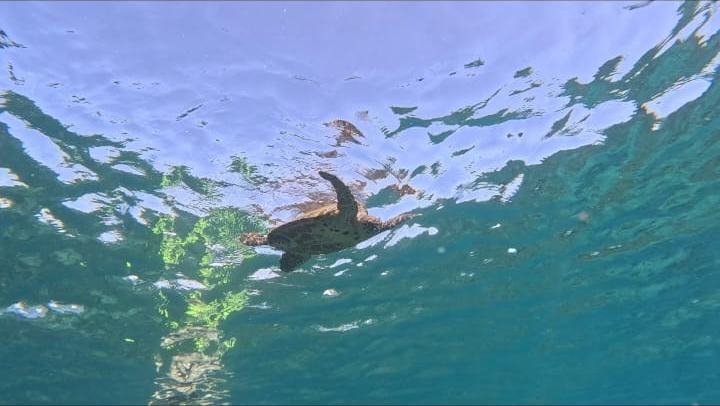
If you would rather see turtles swimming than nesting, snorkel or dive in Coiba. Sea turtles are a common sight on its reefs, and the park is protected from fishing, so marine life is abundant.
Pedasí and Playa Venao
The beaches around Pedasí and Playa Venao, on the Azuero Peninsula, also receive nesting turtles, and local projects relocate nests and release hatchlings. They are a good base for a trip to Isla Cañas.
How to watch turtles responsibly
- Go with a local guide or a conservation project, never alone at night on a nesting beach.
- No flash and no white lights on nesting turtles or hatchlings.
- Keep your distance and never touch turtles or eggs.
- Underwater, do not chase or touch turtles; let them swim past.
When to go
On the Pacific side, nesting happens in the rainy season, roughly from June to December, with peaks between September and November. Coiba’s turtles can be seen all year.
Message us on WhatsApp with your dates and we will plan the transport around your trip.
Frequently asked questions
When is turtle nesting season in Panama?
On the Pacific coast, roughly June to December, with the biggest olive ridley arrivals (arribadas) at Isla Cañas usually between September and November.
Where can I see turtles without a night tour?
Snorkel or dive in Coiba National Park, reached by boat from Santa Catalina.
How do I get to Isla Cañas?
Travel to Pedasí or Tonosí on the Azuero Peninsula, then take a short boat from Puerto Cañas.
Can visitors release hatchlings?
Some conservation projects invite visitors to watch releases. Join only projects run by local communities or conservation groups.