Santa Catalina Travel Guide: Surf, Beaches and the Gateway to Coiba
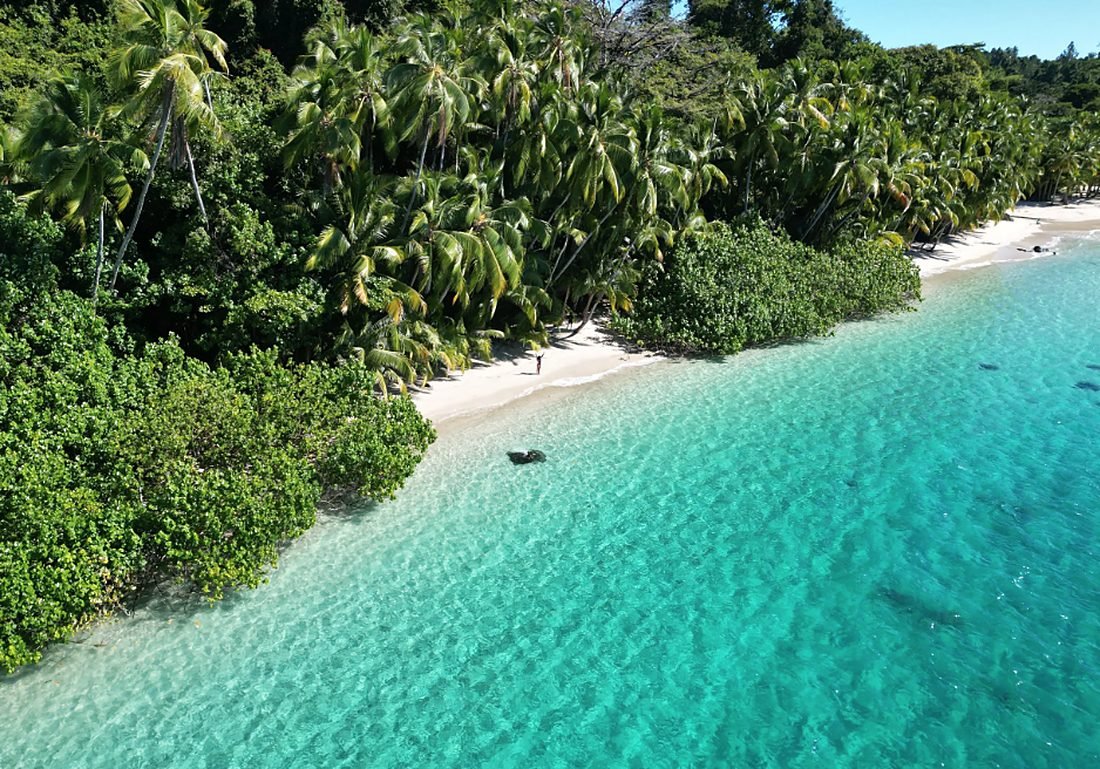
Santa Catalina is one of those rare places that still feels undiscovered: a small fishing village on Panama’s Pacific coast with a big reputation among surfers and divers.
What to do
- Surf La Punta — one of Central America’s most consistent breaks.
- Day trip to Coiba National Park — snorkeling, island hopping and wildlife with expert local guides.
- Playa Estero — a long beach perfect for beginner surf lessons and sunsets.
- Eat fresh seafood — the day’s catch lands right in the village.
How to get there
There’s no airport and no direct public bus — which is exactly why it stays quiet. The easiest way is a shared shuttle: from Panama City ($70), Boquete ($45), Bocas del Toro ($80) or David ($45). Check all routes on our Destinations page.
When to go
December–April brings dry, sunny days and calm seas for Coiba. July–October adds humpback whales to the mix. Surf is good year-round, biggest swells February–August.
How long to stay
Two nights minimum: one for the village and beaches, one full day for Coiba. Surfers and divers often stay a week.
Coiba National Park from Santa Catalina
Santa Catalina is the main departure point for Coiba, a UNESCO World Heritage marine park about an hour offshore by boat. Full-day trips usually include two or three snorkel stops at the park’s open reefs, the ranger station on Coiba island and a beach for lunch, while divers head to deeper sites with the dive shops in town. Boats leave early in the morning and are back by mid-afternoon. The park entrance fee (about $20 for foreign visitors) is paid in cash on the day. Read our Coiba snorkeling guide or see the Coiba National Park page.
Surfing in Santa Catalina
La Punta is a right-hand point break over a rocky reef in front of the village: powerful, consistent and best for experienced surfers, especially from mid to high tide. Beginners should head to Playa Estero, a long sandy beach a short walk or ride from town, where the surf schools give lessons on friendlier waves. Bringing your own board? Tell us when you book the shuttle so we save the space.
Good to know before you go
- Cash: bring what you need from a bigger town. ATMs here are unreliable and many small places only take cash.
- Getting around: the village is small and walkable; Playa Estero is a short walk or bike ride away.
- Book ahead in the dry season: rooms, Coiba boats and shuttles fill up from January to April and around Carnival and Easter.
- Pack: reef-safe sunscreen, a rash guard, insect repellent for the evenings and a light rain jacket in the green season.
Where to go next
From Santa Catalina we run direct shuttles to Boquete ($45), Bocas del Toro ($80), Panama City ($70), El Valle de Antón ($55) and Boca Chica ($50), all leaving at 7:30 AM with pickup at your hotel. See every option on the routes page.
Frequently asked questions
How do I get to Santa Catalina, Panama?
There is no airport and no direct bus. The easiest way is a shared shuttle: from Panama City (Casco Antiguo, 9:30 AM or 2:00 PM, $70), Boquete ($45), David ($45) or Bocas del Toro ($80), with drop-off at your hotel. By public bus you change in Santiago and Soná.
How many days should I spend in Santa Catalina?
At least two nights: one full day for Coiba and one for the beach or surf. In the green season add a spare day in case the sea is rough.
Is Santa Catalina good for beginner surfers?
Yes, at Playa Estero, where surf schools give lessons on friendlier beach-break waves. La Punta, the famous reef break, is for experienced surfers.
Are there ATMs in Santa Catalina?
Don’t count on them. Bring enough cash for your stay from Panama City, David or Santiago.