Is Panama Safe to Visit in 2026? An Honest Local Answer
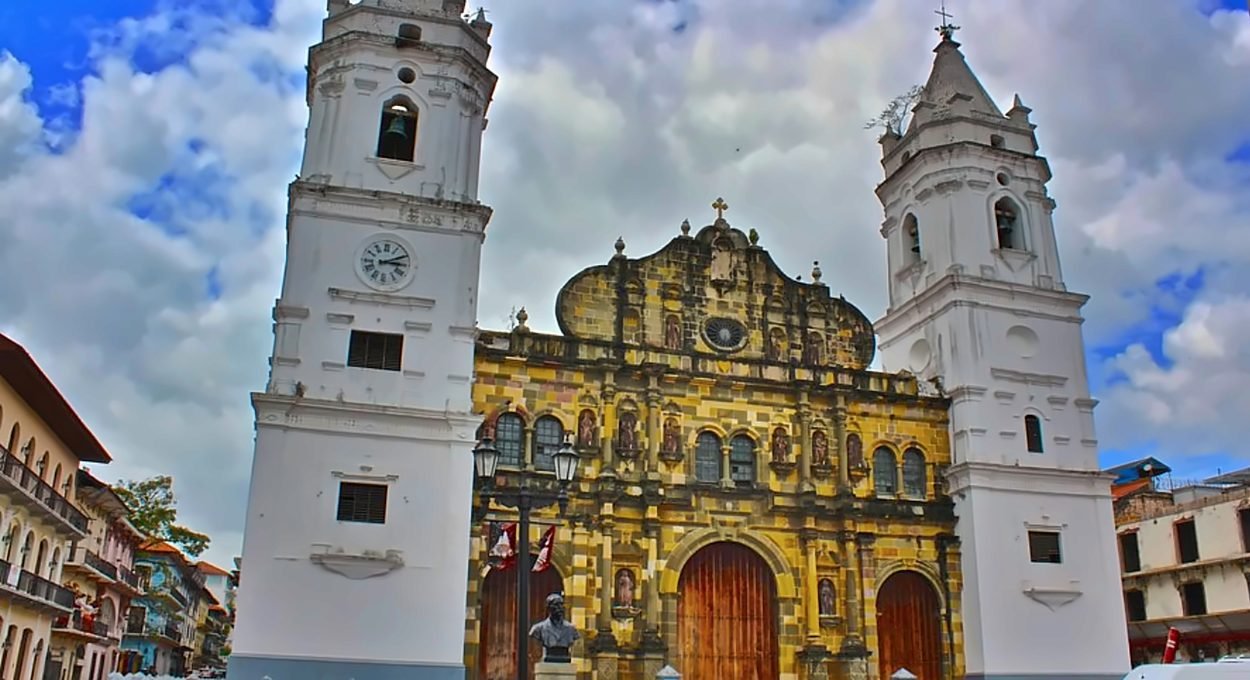
Short answer: yes, with normal city sense. The U.S. State Department rates Panama at Level 2 — “Exercise Increased Caution”, the same tier as France, Spain and the United Kingdom. We drive these roads every week with travellers from all over the world, so here is the honest picture rather than the scary one or the salesy one.
The two places the warnings are actually about
The Level 4 “Do Not Travel” zones cover parts of two remote areas: a strip of the Mosquito Gulf coast — an inaccessible section of Caribbean shoreline with no roads — and the southern Darién near the Colombian border. Neither is anywhere near the tourist corridor. Panama City, Boquete, Santa Catalina, Bocas del Toro, El Valle, the Azuero beaches and Coiba are all outside those zones, and no route we operate passes through either.
What actually happens to tourists
The real risks are the unglamorous ones: pickpocketing and bag-snatching in crowded spots, and phones left on beach towels. The standard playbook works — day bag in front of you in markets and bus terminals, nothing valuable visible in a parked car, cards instead of large cash where possible, and copies of your passport separate from the original.
Practical safety notes we give our own passengers
- Emergencies dial 911, same as in North America.
- Tap water is drinkable in most of the country, including Panama City and Boquete; in Bocas del Toro and remote islands, stick to bottled or filtered.
- Cash planning matters more than crime. Santa Catalina has unreliable ATMs and Guna Yala has none at all — running out of cash strands more travellers than theft does.
- Roads: the Pan-American is in good shape, but night driving means slower going and less margin — one reason long legs are best done in daylight.
- Demonstrations occasionally close stretches of highway for hours. It is a known feature of Panama; we track them and reroute or reschedule when they happen.
Solo travellers and families
Panama is one of the easier Central American countries for first-timers and solo travellers: US dollars as currency, 911 emergency service, big-city hospitals in Panama City and David, and a well-worn backpacker corridor where you are never far from other travellers. Families will find the tourist towns relaxed and used to kids.
The bottom line
Treat Panama City like any big city, plan your cash before remote areas, and skip the two remote zones nobody visits anyway. Then go enjoy the country — check route prices here or read our itineraries for how to string it together.
Getting around Panama
We run shared and private shuttles linking Panama City, Santa Catalina, Boquete, Bocas del Toro, David and more — plus Coiba National Park day tours from Santa Catalina.