The Best Places to Visit in Panama in 2026
Panama packs an unusual amount into a country you can cross by road in a day: two oceans, cloud forests, a UNESCO marine park, indigenous island territories and one of the great engineering sites on earth. Here is where we would actually send a first-time visitor in 2026 — with the practical numbers you need to plan.
1. Casco Viejo & Panamá Viejo — newly recognised by UNESCO
There is a genuine reason to prioritise Panama City’s historic quarters right now. In July 2025 UNESCO inscribed The Colonial Transisthmian Route of Panamá on the World Heritage List — a serial site that links Panamá Viejo, Casco Antiguo, the Caribbean forts of Portobelo and San Lorenzo, and the old mule roads Camino Real and Camino de Cruces. For roughly three centuries this corridor carried the silver of South America to Spain.
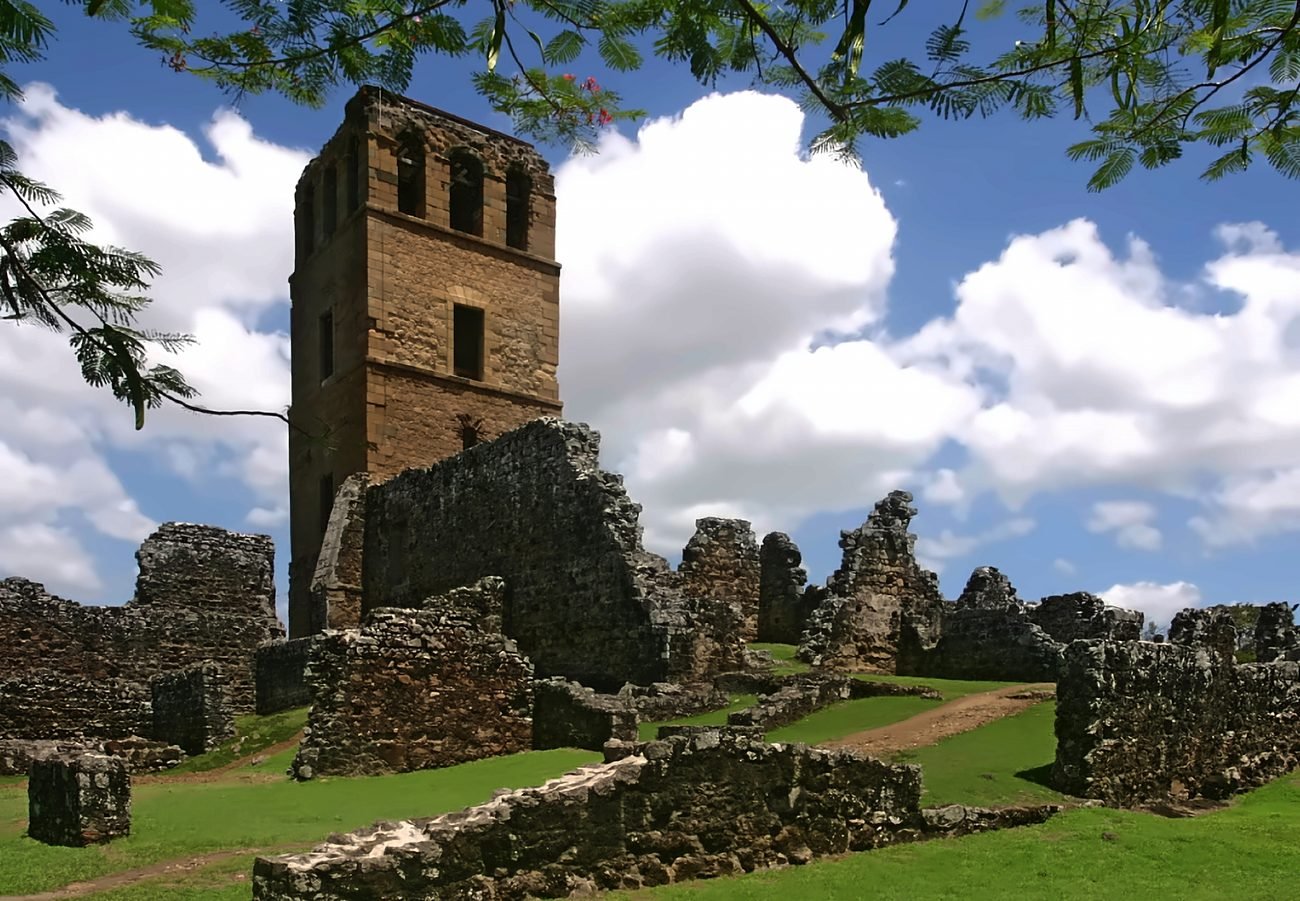
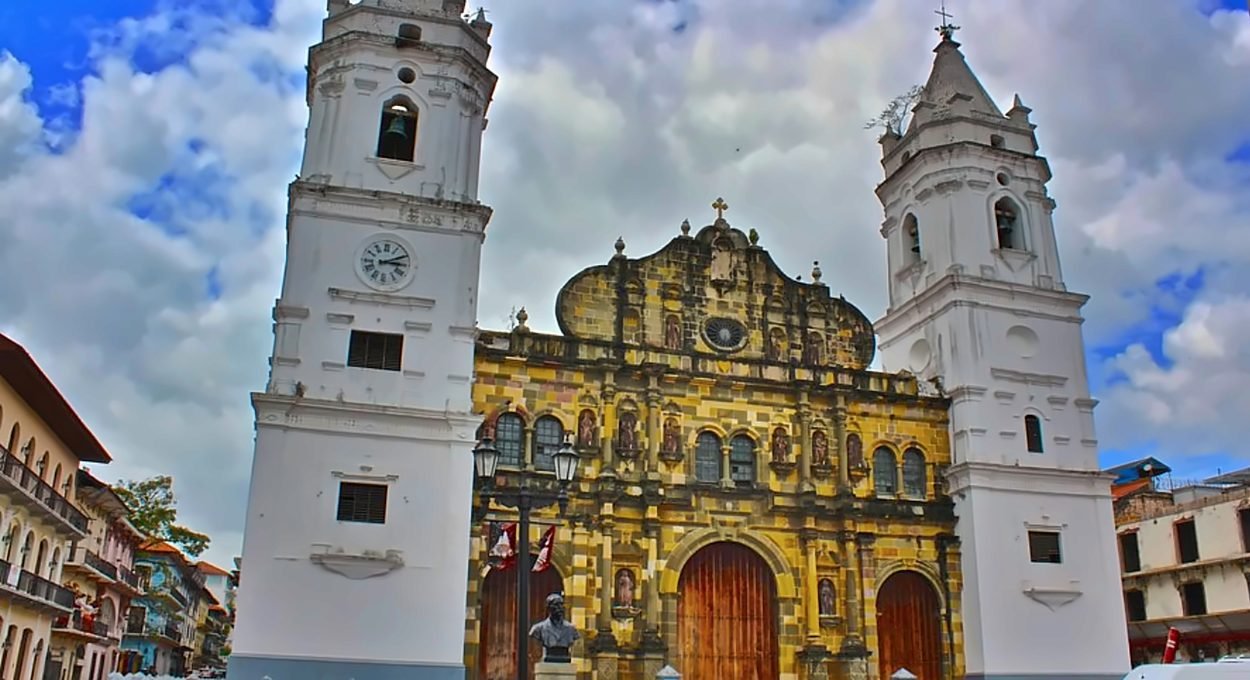
Panamá Viejo is the ruin of the original city, founded in 1519 and the oldest European settlement on the Pacific coast of the Americas. It burned in 1671 during the raid led by Henry Morgan; the cathedral tower still stands over the grass. Casco Viejo is what the survivors built in 1673 on a defensible peninsula — and it has been UNESCO-listed in its own right since 1997. Give the old town a slow afternoon and stay for the rooftops at sunset.
2. The Panama Canal at Miraflores
Watching a Panamax ship rise in a lock chamber is worth the trip. The Miraflores visitor centre opens daily and, at the time of writing, non-resident admission is about $17.22 for adults and $7.22 for children 6–12, free under six — tickets can be bought online in advance through the Canal authority’s site. Go early: transit traffic is heaviest in the morning, and an empty lock is a much duller sight than a full one.
3. Coiba National Park — the one most people miss
Coiba is a UNESCO World Heritage Site (listed in 2005) protecting 38 islands and one of the largest reef systems in the Eastern Pacific. Its condition is an accident of history: the island was a penal colony from 1919 until 2004, and a century of restricted access left the reefs largely untouched.
Access is regulated — you go with an authorised operator from Santa Catalina, and the park fee is $20 for foreign visitors, $5 for residents, paid in cash on the day. Humpback whales pass through July to October with peak sightings in August and September; whale sharks are a December-to-March possibility. See our Coiba day tours for how the day works.
4. Boquete and Volcán Barú
At around 1,200 m the highland town of Boquete is where the heat finally breaks. Coffee farms, hot springs, waterfall hikes, and the overnight climb up Volcán Barú — on a clear morning from the summit you can see both oceans at once. This is also the home of Geisha coffee, some of the most expensive in the world.
5. Bocas del Toro
The Caribbean archipelago runs on its own microclimate, which is why it is often sunny in Bocas when the Pacific side is wet — September and October are a good bet here. Stilt houses over the water, starfish beaches, and boat hops to Cayo Coral and Isla Bastimentos.
6. Guna Yala (San Blas)
An autonomous indigenous territory of roughly 365 Caribbean islands, run by the Guna themselves — foreign investment is not permitted, which is exactly why it still looks the way it does. Practical warnings that catch people out: bring your physical passport (photocopies are refused at the checkpoint), expect an entry fee around $20 plus a $2 port fee, in cash, and know that there are no ATMs and no card payments anywhere in the comarca.
7. The Azuero Peninsula
Panama’s driest, sunniest coast and the heartland of its folklore — Pedasí, the surf bay of Playa Venao, the coral island refuge of Isla Iguana, and the Carnival of Las Tablas, the biggest in the country.
8. El Valle de Antón
A town built inside a dormant volcanic crater two hours from the capital — waterfalls, a Sunday handicraft market, thermal pools and cool air. The easiest mountain escape from Panama City.
How to string them together
Almost all of the above sits on one west-bound corridor, which is how most travellers do it: capital → Santa Catalina/Coiba → Boquete → Bocas del Toro. Our route finder prices each leg, and there is no rental car required at any point.
Getting around Panama
We run shared and private shuttles linking Panama City, Santa Catalina, Boquete, Bocas del Toro, David and more — plus Coiba National Park day tours from Santa Catalina.