Things to Do in Chiriquí Province: Boquete, Volcán Barú and the Gulf Islands
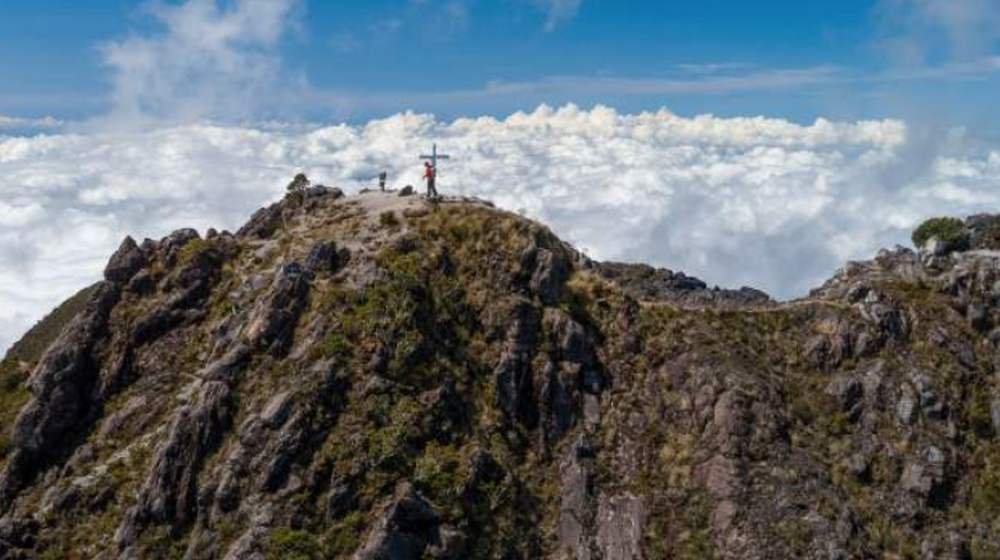
Chiriquí is the province travelers keep extending their stay in. In one compact region you get cool mountain mornings, the highest point in Panama, world-class coffee, hot springs, island snorkeling and beaches where you may be the only person for a kilometre. Here is what is actually worth your time — and how to get between it all.
Boquete: coffee, waterfalls and cool air
At around 1,200 m, Boquete sits in a valley that stays fresh year-round. The classics:
- Coffee farm tours — Boquete grows some of the most awarded coffee on earth, including geisha varietals. Most farms offer 2–3 hour tours from planting to cupping.
- Lost Waterfalls trail (Tres Cascadas) — roughly 3 hours round trip through cloud forest to three falls. Muddy after rain; bring grip.
- Pipeline Trail — gentler, birding-focused, and your best local chance of spotting a resplendent quetzal between January and May.
- Caldera hot springs — natural thermal pools about 30 minutes from town.
- Canopy and rafting — zip-line circuits above the forest, and Class II–IV rafting on the Chiriquí Viejo river.
Volcán Barú: the hike where you can see two oceans
Panama’s highest peak at 3,475 m. On a clear dawn you can see both the Pacific and the Caribbean from the summit — one of very few places on earth where that is possible. Two ways to do it:
- Night hike — start around midnight from Boquete, roughly 6 hours up, to arrive for sunrise. It is a steady 13.5 km climb on a rough road, not technical but genuinely demanding. Take real cold-weather layers: it can drop near freezing at the top.
- 4x4 transfer — for those who would rather not walk it, local drivers run summit trips in modified vehicles.
Guides are strongly recommended and the park charges a small entry fee.
Boca Chica and the Gulf of Chiriquí
Two hours from Boquete the landscape flips completely. Boca Chica is the launch point for the Gulf of Chiriquí Marine National Park: mangrove channels, uninhabited islands, and reefs with far fewer boats than Coiba. Snorkeling around Isla Bolaños and Isla Gámez is excellent, and from July to October humpback whales pass through with their calves.
Las Lajas and Playa Barqueta: beaches without the crowds
Las Lajas is a genuinely long grey-sand beach — the kind where you walk for twenty minutes and pass three people. Simple beach restaurants, warm water, good for families. Playa Barqueta, closer to David, is a protected turtle nesting area; between July and November you may see nesting or hatchlings with a guide.
David: the practical hub
Panama’s third city is not a sightseeing destination, but it is the transport and services centre of the province — the airport, the hospitals, the big supermarkets. Most travelers pass through rather than stay.
Lost and Found: the jungle hostel
Between David and Bocas del Toro, perched in cloud forest at 4,300 ft, this hostel is a destination in itself — treasure-hunt trails, night walks, and a chance of seeing kinkajous. It sits directly on our David–Bocas corridor.
How long do you need?
Four days is a comfortable minimum: two in Boquete (one of them for Barú), one for the Gulf islands from Boca Chica, one for a beach. A week lets you slow down and add rafting or a second volcano-area hike.
Getting around Chiriquí
Distances are short but public connections are awkward — most involve a change in David and waiting with luggage. Our shuttles run the province directly: David → Boquete $15 (about 40 km), Boquete → Boca Chica $30, Boquete → Las Lajas $30, and the long links Santa Catalina → Boquete $35 and Boquete → Bocas del Toro $30. Groups of five or more travel better in a private van — ask us for a per-van rate.
Getting around Panama
We run shared and private shuttles linking Panama City, Santa Catalina, Boquete, Bocas del Toro, David and more — plus Coiba National Park day tours from Santa Catalina.